
Introduction
There are dishes that feel like a warm hug from the past, dishes that bring back the scents and stories of home kitchens. Moroccan Sardine Balls belong to that category. They are bold, aromatic, comforting, and deeply rooted in the everyday cooking traditions of Moroccan coastal cities. This is the kind of recipe your grandmother would make without measuring a single thing, relying on memory, intuition, and a deep understanding of spices.
Today, I am sharing a complete guide to making Moroccan Sardine Balls in your own kitchen, with all the traditional flavors but adapted for modern cooking. Whether you are a home cook exploring North African cuisine or someone looking for a protein packed recipe that is healthy and full of character, this dish brings everything to the table.
This long form post will walk you through every detail, from ingredients to techniques, nutritional insights, pro tips, and frequently asked questions. By the end, you will have all the tools you need to make tender, flavorful, perfectly seasoned Moroccan Sardine Balls that taste just as authentic as those enjoyed along the Moroccan Atlantic coast.
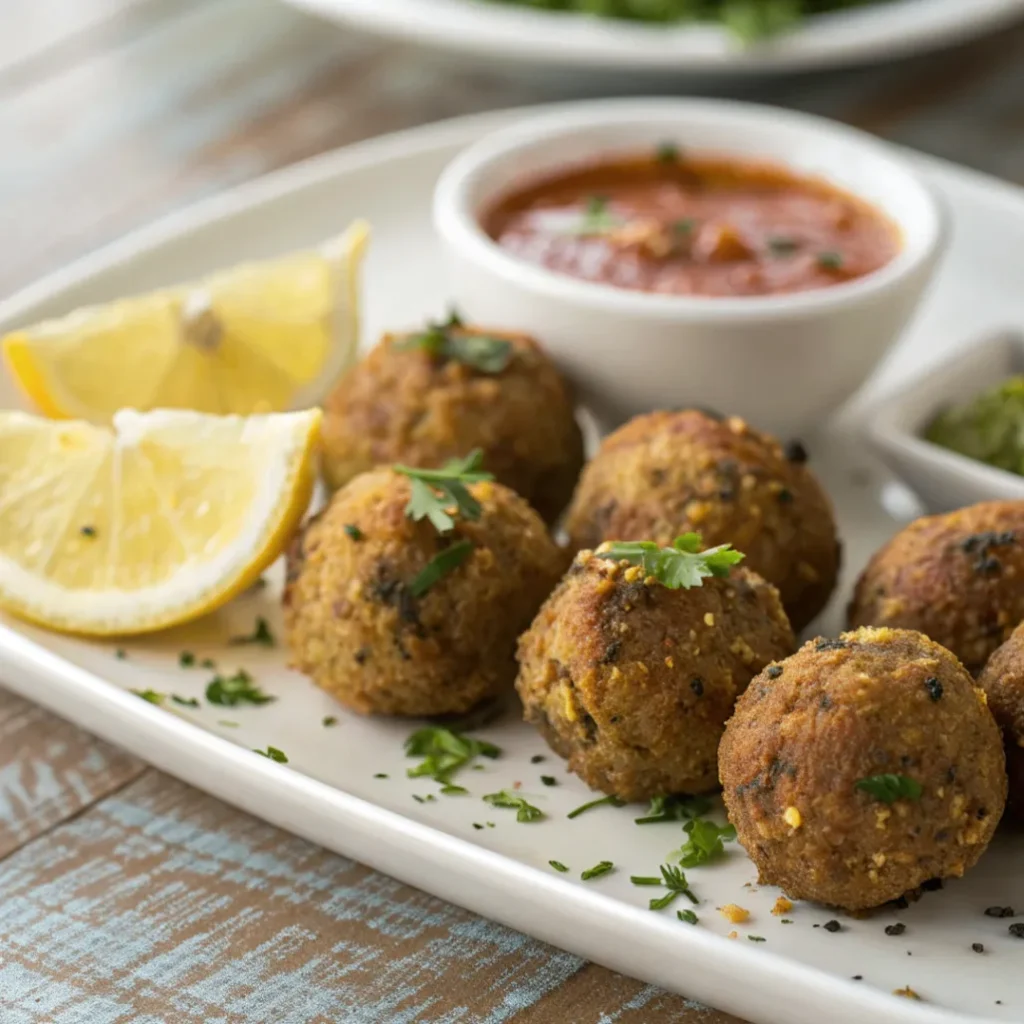
What Is This Recipe
Moroccan Sardine Balls are flavorful patties or small meatball style bites made from sardines mixed with fresh herbs, garlic, spices, breadcrumbs, and sometimes a touch of lemon zest for brightness. They can be pan fried, baked, or simmered in a tomato based sauce.
Across Morocco, these sardine balls are eaten as a snack, served with bread for lunch, or enjoyed as part of a larger family meal. They are incredibly versatile and affordable. They also highlight a key aspect of Moroccan cooking: taking simple, accessible ingredients and transforming them into something unforgettable.
In essence, Moroccan Sardine Balls are rich, moist, aromatic, and satisfying. They make a nutritious and protein packed dish that fits beautifully into a balanced Mediterranean style diet.
Essential Ingredients
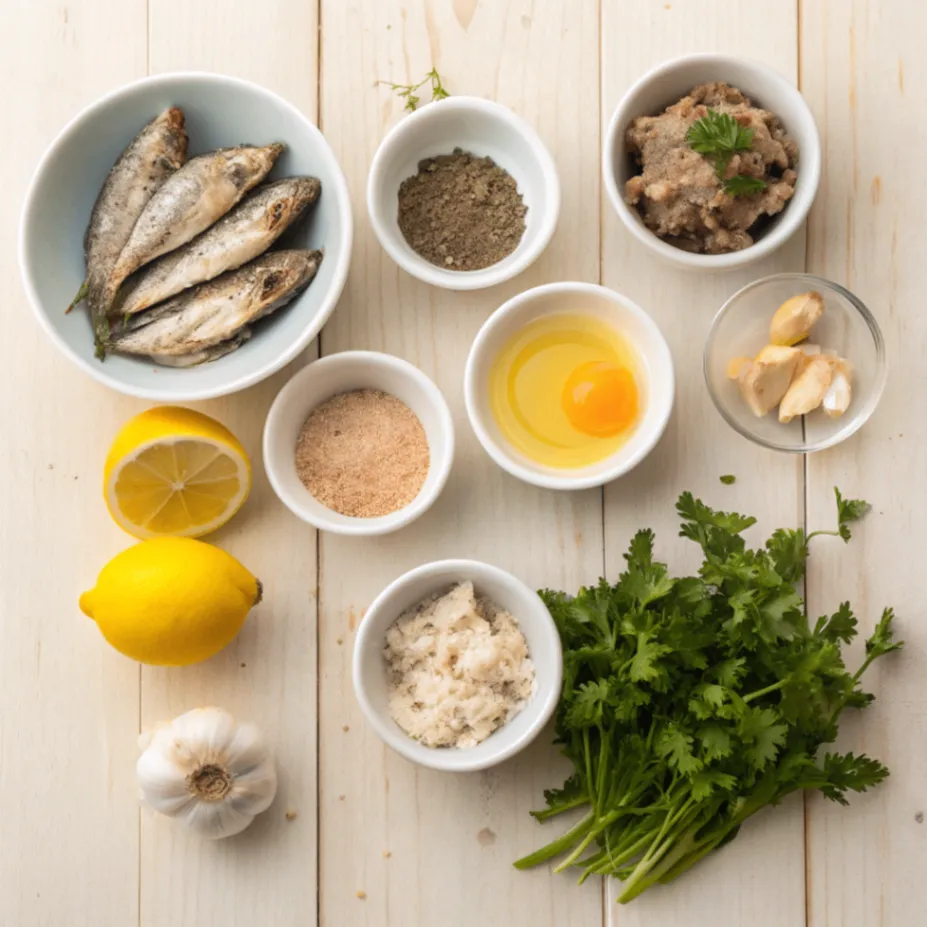
Here are the core ingredients you need to prepare authentic Moroccan Sardine Balls.
. Fresh sardines or canned sardines in water or brine
. Breadcrumbs for structure
. Eggs to help bind the mixture
. Fresh parsley and cilantro for color and aroma
. Fresh garlic for depth
. Ground cumin for earthy spice
. Paprika for warmth and color
. Salt and black pepper
. Lemon zest or a small squeeze of lemon
. Olive oil for pan frying or baking
These ingredients form the base of the mixture. Each one contributes to the signature flavor and moist texture that make Moroccan Sardine Balls so beloved.
Alternative Ingredients
If you cannot find everything listed above, you can still make excellent Moroccan Sardine Balls with smart substitutions.
. Replace breadcrumbs with cooked couscous, crushed crackers, or oat flour
. Use canned sardines in olive oil instead of fresh
. Swap parsley or cilantro with dill for a slightly different aromatic finish
. Add a pinch of ground ginger for extra warmth
. Replace lemon with lime if needed
. Bake the sardine balls instead of pan frying to reduce oil
. Add grated onion if you prefer a softer, more tender mixture
These alternatives allow you to adapt the recipe without losing the essential style and flavor profile of Moroccan Sardine Balls.
Time and Yield Table
| Prep Time | Cook Time | Total Time | Servings | Yield |
|---|---|---|---|---|
| 20 minutes | 15 minutes | 35 minutes | 4 servings | 18 to 20 sardine balls |
Key Features
Here are the standout qualities of Moroccan Sardine Balls that make them a must try dish.
. Protein rich
. Economical and accessible
. Naturally flavorful due to fresh herbs and spices
. Versatile enough for appetizers, meals, or sandwiches
. Quick to prepare
. Family friendly
. Healthy and Mediterranean inspired
Nutrition Facts Table
Approximate per serving values:
| Calories | Protein | Carbohydrates | Fat | Fiber |
|---|---|---|---|---|
| 220 | 20 g | 9 g | 11 g | 1 g |
Directions – Step by Step Guide to Making Moroccan Sardine Balls
Step 1: Prepare and Clean the Sardines
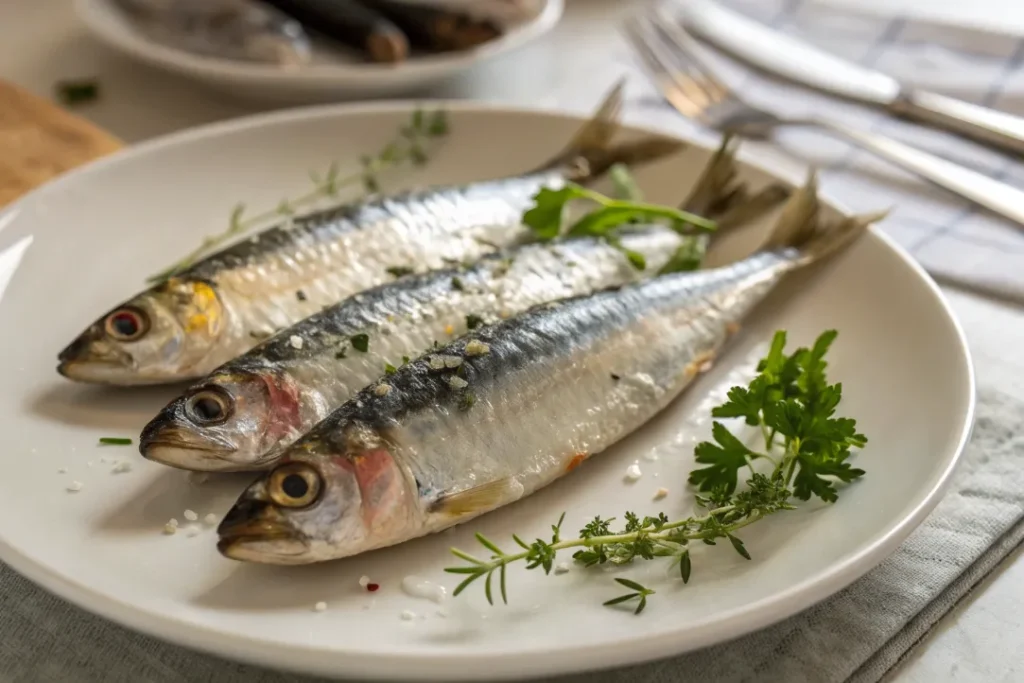
Begin by preparing the main ingredient for your Moroccan Sardine Balls. If you are using fresh sardines, clean them thoroughly by removing the heads, guts, and bones. Rinse them under cold water and pat them dry. For canned sardines, simply drain them well and remove any large bones. Place the sardines in a bowl and gently mash them with a fork. The goal is to break the fish into small flakes while keeping some texture, which will help the Moroccan Sardine Balls hold their shape without becoming mushy.
Step 2: Mix the Herbs and Aromatics
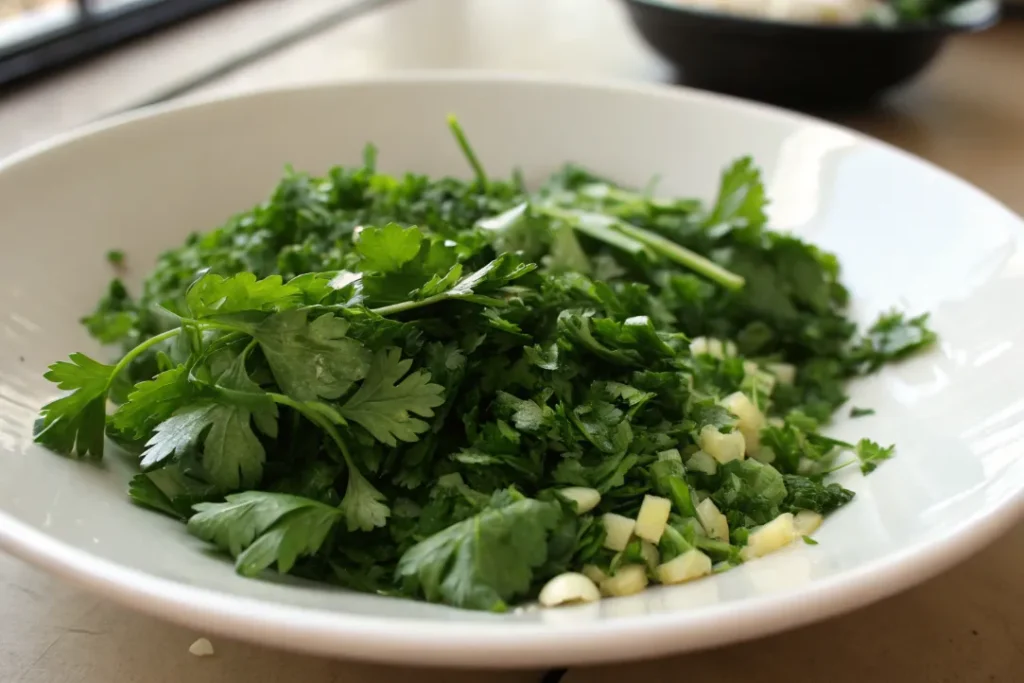
Finely chop fresh parsley and cilantro, then mince the garlic until it becomes paste like. Add them to the sardines. These fresh herbs are one of the defining elements of Moroccan Sardine Balls and give the mixture a vibrant aroma. They also provide moisture and freshness. Make sure the herbs are chopped finely so they blend seamlessly into the mixture and distribute evenly throughout every sardine ball.
Step 3: Add the Signature Spices
Sprinkle in cumin, paprika, black pepper, and salt. These spices transform simple sardines into the bold, flavorful mixture that Moroccan Sardine Balls are known for. Add a touch of lemon zest or a small squeeze of fresh lemon juice to brighten the flavor. Use your hands or a spoon to mix everything gently, ensuring the spices are fully incorporated without compressing the mixture too much.
Step 4: Bind the Mixture with Egg and Breadcrumbs
Crack in one egg and mix it in. It helps the sardine balls bind and stay cohesive during cooking. Next, add breadcrumbs gradually. Use a light hand at first, then increase gradually if required. You want the mixture to stay lightly moist while still holding its shape with ease. Too many breadcrumbs will make Moroccan Sardine Balls dense instead of tender. Once combined, let the mixture rest for five minutes so the breadcrumbs absorb moisture.
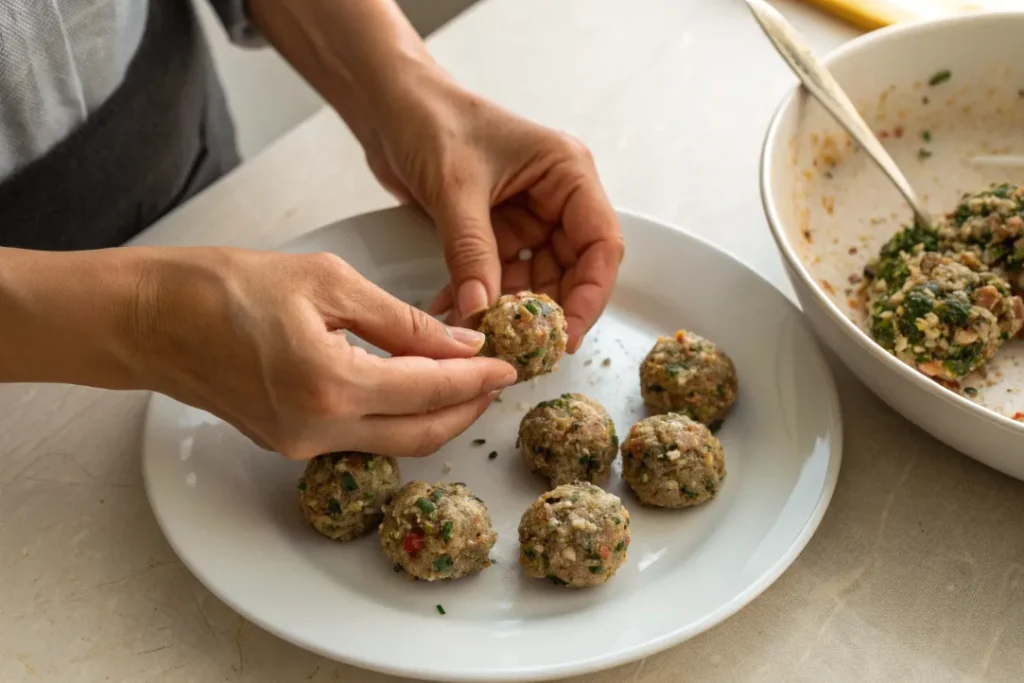
Step 5: Shape the Sardine Balls
With slightly damp hands, scoop out small portions and roll them into balls or flatten them gently into patties. Aim for even sizes around one inch. Uniform shaping ensures all Moroccan Sardine Balls cook at the same rate.
Step 6: Cook the Sardine Balls
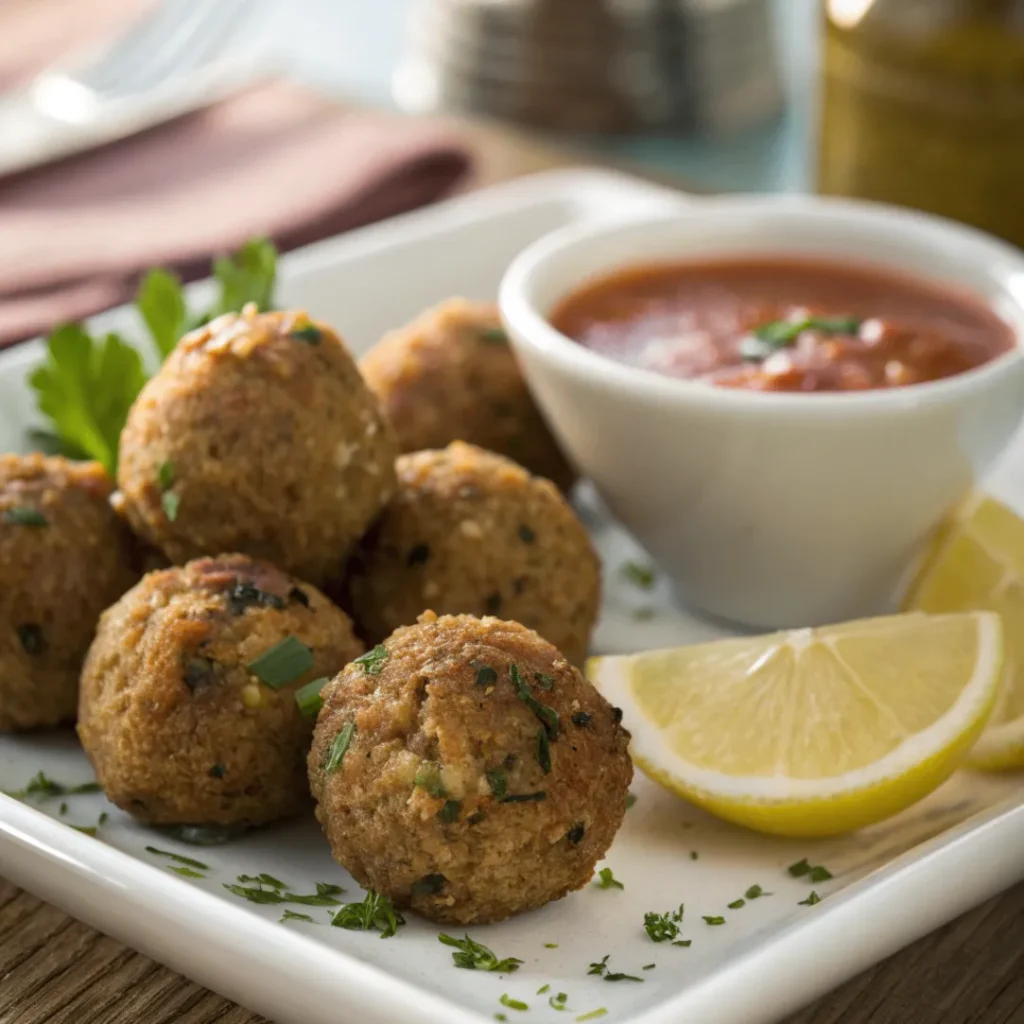
Heat olive oil in a skillet over medium heat. When the oil is shimmering, place the sardine balls in the pan with enough space between them. Cook them for about three to four minutes per side until golden and crisp. Turn them gently using a spatula. Let the cooked pieces sit on a plate for a moment so their juices settle before you serve them. This short rest helps maintain their structure and enhances flavor.
Pro Tips for a Perfect Result
. Keep the sardine mixture slightly moist so the sardine balls stay tender.
. Fresh herbs make a noticeable difference in flavor, so use plenty.
. Use fine breadcrumbs for better binding without making the texture heavy.
. Do not overmix; a gentle fold keeps the mixture airy.
. Pan fry on medium heat so they brown evenly without burning.
. Add a little harissa for a spicy kick.
. Chill the mixture for ten minutes before shaping if it feels too soft.
. Bake at 375°F for a lighter version with the same flavor.
Why You Will Love This Recipe
You will love Moroccan Sardine Balls for their incredible balance of simplicity and deep flavor. They offer a nutritious alternative to meat based dishes while keeping the full richness and satisfaction of a classic comfort meal. They store well, reheat beautifully, and work for lunch, dinner, or meal prepping. For anyone exploring Mediterranean or Moroccan cuisine, this recipe opens the door to a fresh new world of ingredients and tastes.
What Makes This Recipe Unique
This recipe stands out because it captures the true essence of traditional Moroccan home cooking while remaining accessible for modern kitchens. The combination of sardines, herbs, warm spices, and lemon creates a dish that is vibrant, nourishing, and deeply satisfying. Moroccan Sardine Balls showcase how humble ingredients can produce a meal that feels special, flavorful, and rooted in culture.
Frequently Asked Questions (FAQs)
Can I make Moroccan Sardine Balls ahead of time ?
Yes. Prepare the mixture, shape the sardine balls, and store them in the fridge for up to one day before cooking.
Can I freeze Moroccan Sardine Balls ?
Yes. Freeze them uncooked or cooked. Reheat baked sardine balls in an oven for best results.
Are Moroccan Sardine Balls healthy ?
Absolutely. Sardines are rich in omega 3, protein, and essential minerals.
Can I bake instead of fry ?
Yes. Bake at 375°F for 15 to 18 minutes until golden.
Can I add vegetables to the mixture ?
Finely grated carrot or zucchini works, but keep moisture under control.
You Will Also Love
Here are other recipes that fit the same flavor style and comfort factor.
- Mediterranean tuna patties
- Moroccan Lamb Tagine with Prunes
- Herb baked salmon bites
- Chickpea and herb fritters
- Lemon garlic shrimp bowls
Conclusion
Moroccan Sardine Balls are a celebration of flavor and tradition. They are easy to prepare, packed with nutrients, and full of the warming spices that define Moroccan coastal cooking. Whether you enjoy them as a snack, a full meal, or part of a larger spread, this recipe brings authentic taste to your kitchen in a fun and approachable way.
Don’t forget to share your creations with #foodbycuisine on pinterest . We would love to see your version at the table.
There are no reviews yet. Be the first one to write one.
Moroccan Sardine Balls
Ingredients
Method
- Add Instruction 1
- Drain the sardines and transfer them to a mixing bowl. Break them apart gently with a fork until they form a soft, flaky mixture.
- Add Instruction 2
- Add the egg, breadcrumbs, parsley, cilantro, garlic, paprika, cumin, salt, pepper, and lemon juice to the bowl. Mix everything thoroughly until the mixture comes together.
- Add Instruction 3
- Shape the mixture into small balls of equal size. Place them on a plate and let them rest for ten minutes so the breadcrumbs can firm up the texture.
- Add Instruction 4
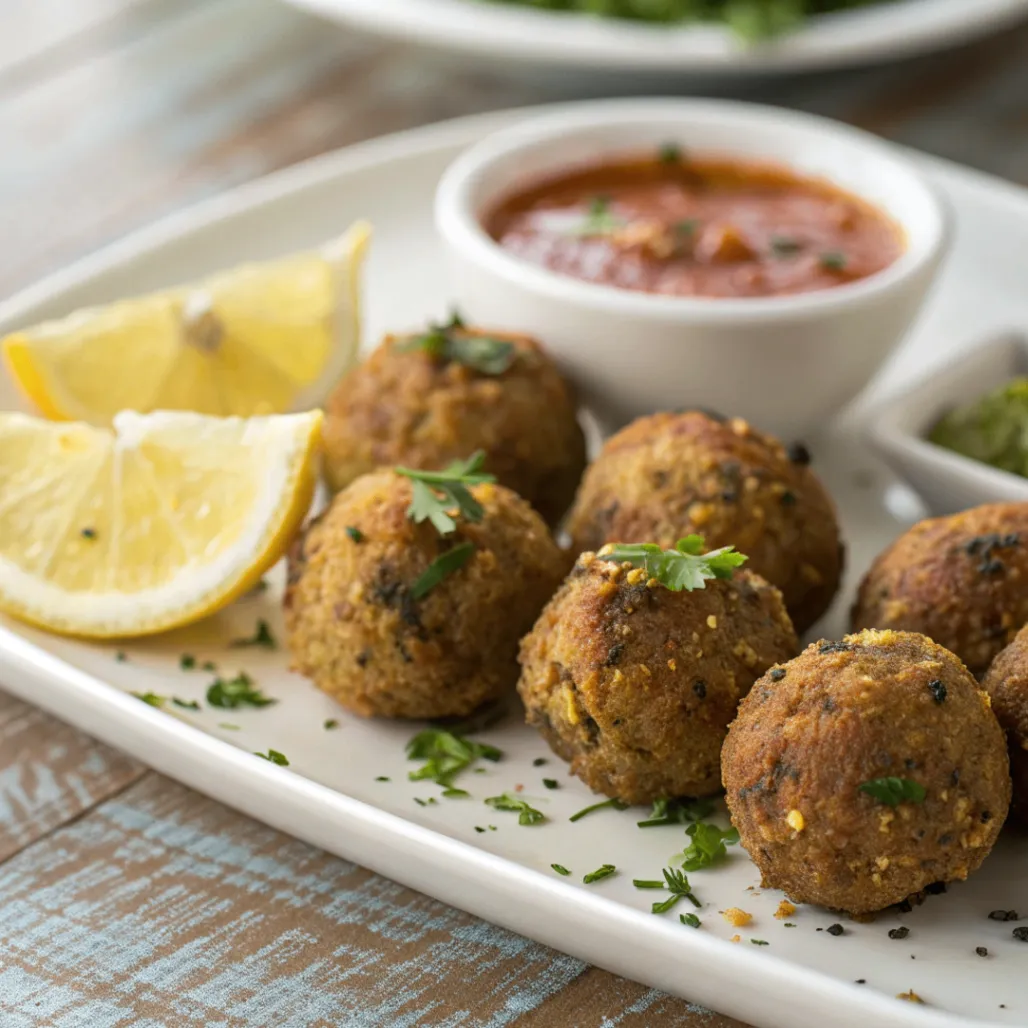
- Heat olive oil in a frying pan over medium heat. Add the sardine balls in small batches and cook while turning occasionally until golden on all sides.
- Add Instruction 5
- Remove the sardine balls and place them on a strainer or paper towel to drain excess oil. Serve warm with bread, salad, or dipping sauce.