
I still remember the first time I tried to make Thai green curry from scratch. It was a complete disaster. The paste was bitter, the coconut milk split, and my husband politely pushed his bowl away after two bites. That was eight years ago, and it taught me something important: Asian cooking isn’t as mysterious as it seems, but it does require understanding a few key principles.
Today, my family requests Thai green curry chicken at least twice a month. We’ve expanded way beyond that too, from making Korean bibimbap bowls for quick weeknight dinners to spending Sunday afternoons perfecting Chinese dumplings.
Asian cuisine covers an enormous range of flavors, techniques, and traditions. This guide breaks it all down into manageable pieces so you can start cooking authentic dishes at home without feeling overwhelmed.
What Makes Asian Cuisine Different
The biggest difference I’ve noticed between Western and Asian cooking is how flavors are built. We’re used to adding salt and pepper at the end. Asian dishes layer flavors from the start.
Think about it this way. When you make Indian butter chicken, you’re blooming whole spices in hot oil first. This releases their essential oils. Then you add aromatics, then your protein, then liquids. Each step builds on the previous one.
Another thing is the balance of flavors. Every good Asian dish hits multiple taste notes. Sweet, salty, sour, bitter, and umami all play together. That’s why Thai pad kra pao tastes so complex even though it only takes 15 minutes to make.
Fresh herbs matter more than dried ones. I learned this the hard way with Vietnamese pho ga. Using dried basil instead of fresh Thai basil completely changed the soup. It wasn’t bad, just wrong.
Regional Asian Cuisines Worth Exploring
Asian cuisine isn’t one thing. It’s dozens of distinct culinary traditions, each with unique ingredients and techniques.
Southeast Asian Cooking
This is where I started my journey, probably because the flavors are bold and forgiving. Malaysian laksa was one of my first successes. The spicy coconut broth hides small mistakes really well.
Thai food balances four tastes in every dish: sweet, salty, sour, and spicy. Once you get this concept, making Thai tom yum soup or mango sticky rice becomes intuitive rather than intimidating.
Vietnamese cuisine is lighter and fresher. Vietnamese banh mi sandwiches taught me how important texture contrast is. You’ve got crispy bread, tender meat, crunchy pickles, and soft herbs all in one bite.
Indonesian cooking introduced me to the concept of “dry” curries. Indonesian nasi goreng isn’t soupy at all. It’s fried rice with a deep, sweet-savory flavor that my kids can’t get enough of.
East Asian Traditions
Japanese cooking emphasizes simplicity and quality ingredients. I make Japanese teriyaki salmon when I want something that looks impressive but takes almost no effort. The key is good fish and not overcooking it.
Japanese ramen is a different story. That rich broth takes hours. But simpler dishes like Japanese onigiri or Japanese tempura are totally weeknight-friendly.
Chinese cuisine varies wildly by region. Chinese beef and broccoli is the Americanized version everyone knows. But try mapo tofu if you want to taste authentic Sichuan flavors. That numbing heat from Sichuan peppercorns is addictive.
Kung pao chicken was my gateway to understanding Chinese stir-frying. High heat, constant movement, and having everything prepped before you start. Once I got those basics down, sweet and sour chicken became easy.
Korean food has exploded in popularity, and for good reason. Korean bulgogi beef is probably the most requested dinner in my house. The marinade tenderizes cheap cuts of beef into something restaurant-quality.
Fermented foods play a huge role. Kimchi fried rice uses that tangy, spicy fermented cabbage to add depth you can’t get any other way. And Korean japchae noodles taught me that glass noodles are incredibly satisfying even though they’re made from sweet potato starch.
South Asian Flavors
Indian cooking intimidated me for years. All those spices seemed complicated. But Indian chana masala proved me wrong. It’s chickpeas in a spiced tomato sauce. Simple ingredients, big flavor.
The secret to good Indian food at home is learning to bloom your spices. Indian biryani takes this to the next level with layered rice and meat that’s fragrant without being overwhelming.
Indian samosas are my favorite party food. The crispy pastry with spiced potato filling disappears instantly. They’re easier to make than you’d think, especially if you use store-bought pastry sheets.
Filipino and Malaysian Cooking
Filipino food deserves way more attention. Filipino chicken adobo is vinegar-based, which gives it this incredible tangy depth. It’s also nearly impossible to mess up. The vinegar and soy sauce do all the heavy lifting.
Malaysian beef rendang is the opposite approach. It’s a slow-cooked dry curry where the sauce reduces until it coats the meat. The first time I made it, I thought I’d ruined it because there was barely any liquid left. That’s exactly what’s supposed to happen.
Essential Ingredients to Keep Stocked
You don’t need a pantry full of exotic ingredients to start cooking Asian food. But having a few basics on hand makes everything easier.
Sauces and Condiments
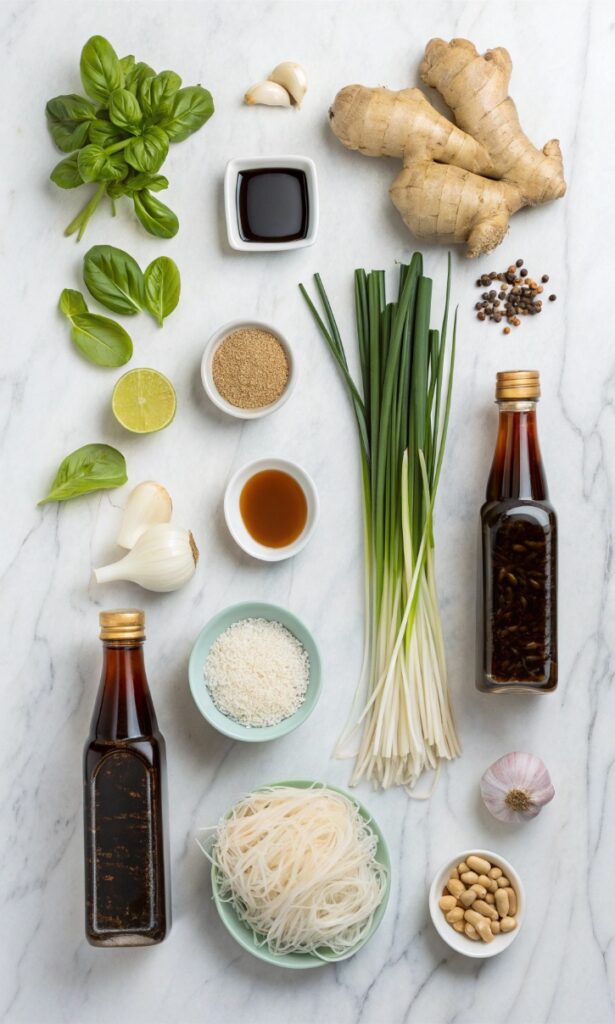
Soy sauce is non-negotiable. I keep both light and dark soy sauce. Light for seasoning, dark for color and a slightly sweeter flavor.
Fish sauce smells terrible in the bottle. It tastes incredible in food. Use it in Korean tteokbokki or any Southeast Asian dish. Just a little adds crazy depth.
Oyster sauce thickens and adds umami. It’s essential for Chinese beef and broccoli and most Cantonese stir-fries.
Gochujang is Korean fermented chili paste. It’s spicy, slightly sweet, and gives kimchi fried rice its signature flavor. I also mix it into mayo for an amazing sandwich spread.
Sesame oil is for finishing, not cooking. A few drops at the end of Korean japchae make it smell incredible. Don’t cook with it or it gets bitter.
Aromatics and Spices
Fresh ginger and garlic are the foundation of most Asian dishes. I buy them in bulk and freeze extras. Frozen ginger grates beautifully straight from the freezer.
Lemongrass, galangal, and kaffir lime leaves are harder to find fresh. I keep them in the freezer for when I make Thai tom yum or Thai green curry.
Whole spices last longer than ground. For Indian butter chicken or Indian biryani, I toast and grind cumin, coriander, and cardamom as needed.
Rice, Noodles, and Starches
Jasmine rice works for most Southeast Asian dishes. Short-grain rice is better for Japanese onigiri because it’s stickier.
Rice noodles come in different widths. Thin ones for Vietnamese pho, wider ones for pad thai. They cook in minutes if you soak them first.
Glass noodles (sweet potato starch noodles) are what you need for Korean japchae. They’re chewy and absorb flavors really well.
Rice cakes (tteok) are essential for Korean tteokbokki. They’re sold frozen and last forever. Just thaw before using.
Key Cooking Techniques
Asian cooking uses a few specific techniques that make a huge difference in the final result.
Stir-Frying Basics
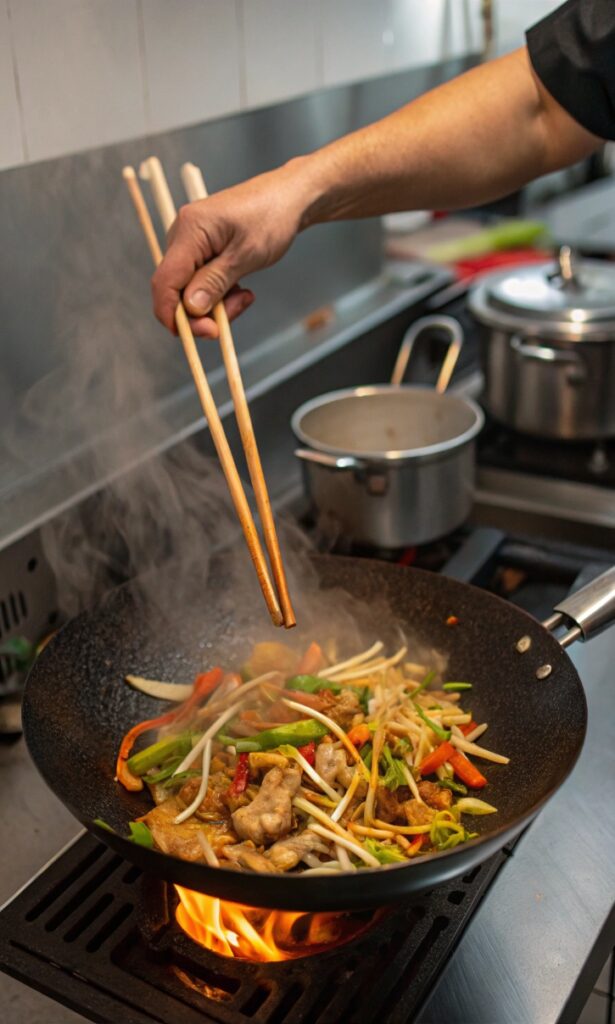
The wok needs to be screaming hot. I mean smoke-coming-off-it hot. This is why kung pao chicken tastes different at home versus a restaurant. Most home stoves don’t get hot enough.
Prep everything before you turn on the heat. Stir-frying happens fast. If you’re chopping vegetables while the wok heats, something will burn.
Add ingredients in order of cooking time. Aromatics first for 30 seconds. Protein next. Vegetables last. Sauce at the very end.
Keep everything moving. That’s literally what stir-frying means. Constant motion prevents burning and ensures even cooking.
Rice Cooking Methods
Rinse your rice. This removes excess starch and prevents gummy rice. I rinse until the water runs clear, usually three or four times.
The water ratio depends on the rice type. For jasmine rice, I use 1:1.25 (rice to water). For sticky rice used in Thai mango sticky rice, you need to soak it first then steam it.
Let rice rest after cooking. Don’t lift the lid for at least 10 minutes after the heat turns off. The steam finishes the cooking process.
Working with Curries
Bloom whole spices in hot oil first. This applies to Indian chana masala, Indian butter chicken, and Malaysian beef rendang.
Don’t rush the onion stage. Golden brown onions add sweetness and depth. If they’re pale, your curry will taste raw.
Coconut milk can split if heated too aggressively. Add it after the curry paste is cooked, then simmer gently. This is crucial for Thai green curry and Malaysian laksa.
Toast curry pastes before adding liquid. This step removes the raw taste and intensifies flavors. I learned this making Japanese katsu curry.
Deep-Frying Tips
Temperature matters more than people think. Too hot and the outside burns before the inside cooks. Too cool and everything gets greasy.
For Indian samosas and Japanese tempura, I keep the oil between 350-375°F. I use a thermometer because guessing doesn’t work.
Don’t crowd the pan. This drops the oil temperature and makes food soggy instead of crispy. Cook in batches even though it’s annoying.
Paper towels under a wire rack catch oil without making the bottom soggy. I learned this making sweet and sour chicken.
How to Start Cooking Asian Food at Home
Start simple. Don’t begin with Vietnamese pho that takes six hours. Try teriyaki salmon or Korean bulgogi first.
Read the whole recipe before starting. Asian recipes often have steps that happen simultaneously. Understanding the flow prevents panic.
Measure everything out before cooking. Mise en place isn’t fancy French technique, it’s survival when you’re making kung pao chicken and the wok is smoking.
Easy Dishes to Begin With
Filipino chicken adobo is probably the most forgiving recipe in this entire guide. Throw everything in a pot and simmer. That’s basically it.
Korean bibimbap bowls let you use whatever vegetables you have. The gochujang sauce ties it all together. My kids love picking their own toppings.
Indonesian nasi goreng is fried rice. If you can scramble eggs, you can make this. It’s also a great way to use leftover rice.
Vietnamese spring rolls require no cooking. Just assembly. They’re perfect for hot summer days when you don’t want to turn on the stove.
Medium Difficulty Projects
Once you’ve got some basics down, try Chinese dumplings. The filling is easy. Folding takes practice but you’ll get better with each one.
Japanese ramen can be simplified by using store-bought broth and focusing on good toppings. You don’t need to make everything from scratch.
Indian biryani seems complicated but it’s just layering. Rice, meat, rice, meat. Then steam. The hardest part is not lifting the lid to peek.
Malaysian laksa requires making a paste, but if you have a food processor, it’s done in two minutes. The rest is just simmering.
Weekend Projects Worth the Effort
Malaysian beef rendang takes hours but most of it is unattended cooking. Start it in the morning, check occasionally, have an incredible dinner.
Vietnamese pho ga requires simmering chicken bones for hours to get that clear, flavorful broth. It’s worth it though. Make a huge batch and freeze portions.
Japanese katsu curry involves making the curry sauce from a roux, breading and frying chicken cutlets, and cooking rice. It’s a full production but incredibly satisfying.
Homemade Chinese dumplings for a party means hours of wrapping. I make it a social event. Friends come over, we drink wine, fold dumplings, and freeze extras.
Common Mistakes and How to Avoid Them
I’ve made every possible mistake cooking Asian food. Here’s what I learned.
Flavor Balance Issues
Too much fish sauce ruins everything. Start with less than the recipe calls for. You can always add more. I learned this making Thai pad kra pao that tasted like low tide.
Not enough acid makes dishes taste flat. A squeeze of lime juice at the end brightens Vietnamese pho and Thai tom yum dramatically.
Forgetting sugar is a Western mistake. Asian savory dishes often include sugar for balance. Korean bulgogi needs it to caramelize. Thai green curry uses palm sugar to round out the heat.
Technique Problems
Overcrowding the pan prevents proper caramelization. When I make Chinese beef and broccoli, I cook the beef in two batches. Otherwise it steams instead of sears.
Not getting the wok hot enough is the number one reason stir-fries fail at home. Be patient. Let it heat for a full five minutes before adding oil.
Adding garlic too early burns it. I used to put garlic in first when making Indonesian nasi goreng. Now I add it after onions have softened and it tastes much better.
Skipping the resting step for rice makes it gummy. I know you’re hungry, but let the Japanese onigiri rice rest before shaping it.
Ingredient Substitutions That Don’t Work
Greek yogurt cannot replace coconut milk. I tried this making Thai green curry when I was out of coconut milk. It was terrible. Just go to the store.
Regular rice instead of sticky rice ruins mango sticky rice. The texture is completely wrong. Some things can’t be substituted.
Italian basil is not Thai basil. They taste totally different. If you can’t find Thai basil for Thai pad kra pao, use regular basil but know it won’t be authentic.
Soy sauce isn’t the same as tamari or liquid aminos. They work in a pinch for Korean kimchi fried rice but the flavor profile shifts slightly.
Building Your Asian Pantry on a Budget
You don’t need to buy everything at once. Build your pantry over time.
Start with the basics: soy sauce, sesame oil, rice vinegar, and neutral cooking oil. These appear in almost every Asian recipe.
Add region-specific items as you explore different cuisines. If you’re making Indian butter chicken and Indian chana masala regularly, invest in good curry powder and garam masala.
Buy spices in small quantities from bulk bins. Whole spices keep longer and taste better. I only buy pre-ground spices that I’ll use within a month.
Asian grocery stores are cheaper than regular supermarkets for specialty items. A bottle of fish sauce costs three times as much at my regular grocery store compared to the Vietnamese market downtown.
Adapting Recipes for Dietary Needs
Most Asian recipes adapt well to dietary restrictions.
Vegetarian and Vegan Options
Indian chana masala is naturally vegan and packed with protein. Korean japchae can be made vegetarian by skipping the beef.
Tofu works great in mapo tofu obviously, but also in Thai green curry instead of chicken. Press it first to remove excess water.
Vietnamese spring rolls with tofu and vegetables are just as good as the shrimp version. Sometimes I prefer them.
Coconut milk makes many curries naturally dairy-free. Malaysian laksa and Thai tom yum are both great options.
Gluten-Free Modifications
Tamari replaces soy sauce one-to-one in every recipe. I keep both in my pantry and use tamari for Korean bulgogi when cooking for gluten-free friends.
Rice noodles are naturally gluten-free. Vietnamese pho and many Thai dishes already use them.
Watch out for hidden gluten in oyster sauce and curry pastes. Read labels carefully. Some brands use wheat-based thickeners.
Korean tteokbokki uses rice cakes which are gluten-free, but check the gochujang ingredients. Some brands add wheat.
Lower Sodium Options
Reduce soy sauce and add extra aromatics. I make Filipino chicken adobo with half the soy sauce and extra garlic. It’s still delicious.
Make your own curry pastes to control salt. Store-bought pastes are convenient but very salty. For Thai green curry, homemade paste lets you adjust to your taste.
Use citrus and herbs for flavor instead of salt. Vietnamese banh mi and Vietnamese spring rolls rely heavily on fresh herbs rather than sodium.
Related Articles
Here’s every Asian recipe and technique guide available on the site:
Thai Cuisine:
Japanese Dishes:
- Japanese Teriyaki Salmon
- Japanese Ramen Bowl
- Japanese Katsu Curry
- Japanese Tempura Platter
- Japanese Onigiri
Chinese Favorites:
Korean Classics:
Indian Recipes:
Vietnamese Food:
Malaysian Cuisine:
Indonesian and Filipino:
Start Cooking Today
Asian cuisine isn’t as intimidating as it looks from the outside. Start with one or two recipes that sound good. Build your pantry gradually. Practice your knife skills.
My family went from eating takeout three times a week to making most of these dishes at home. The food tastes better, costs less, and I know exactly what’s in it.
Pick something from this guide. Read the recipe through once. Make your grocery list. Then just start cooking. The first attempt might not be perfect. That’s totally fine. I’ve been doing this for eight years and I still mess up sometimes.
The difference between good Asian home cooking and great Asian home cooking is repetition. Make Korean bulgogi five times and you’ll stop measuring the marinade. Cook Thai green curry enough times and you’ll know exactly how it should smell when the paste is ready.
That’s how you build real cooking skills. One dish at a time, one technique at a time, until it all becomes second nature.